
Apr 24, 2026
·Relations
Meeting with SIMAS
**Water Supply Infrastructure & Project Integration** This meeting with SIMAS (Serviços Intermunicipalizados de Água e Saneamento de Oeiras e Sintra) …
Continue reading ↗ElectroCap 2026, ECE @ IST
Partnering with:

Orbis is a redundant, remotely managed, and low-maintenance point-to-point system designed to store and distribute drinking water in populated areas when access to water is challenged by disaster, infrastructure collapse, or contamination.
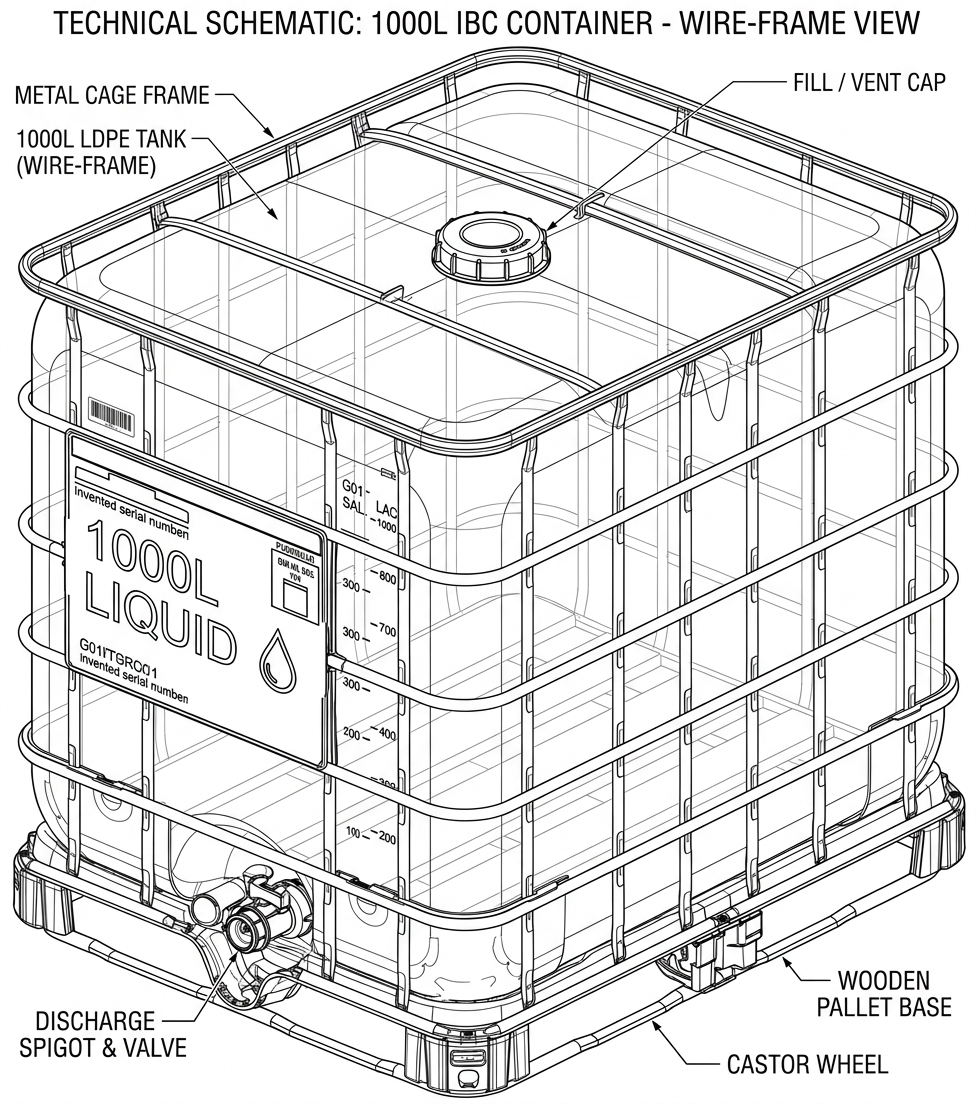
Built around widely available industry-standard 1000L IBC tanks, its modular architecture allows for widespread use cases, redundancy and cost-effectiveness.
Designed to be always ready, Orbis can be installed as part of urban infrastructure and deployed in emergency situations, with minimal maintenance.
Or, as a continuous storage medium in developing contexts, where centralized water systems may be unreliable or even unsafe.
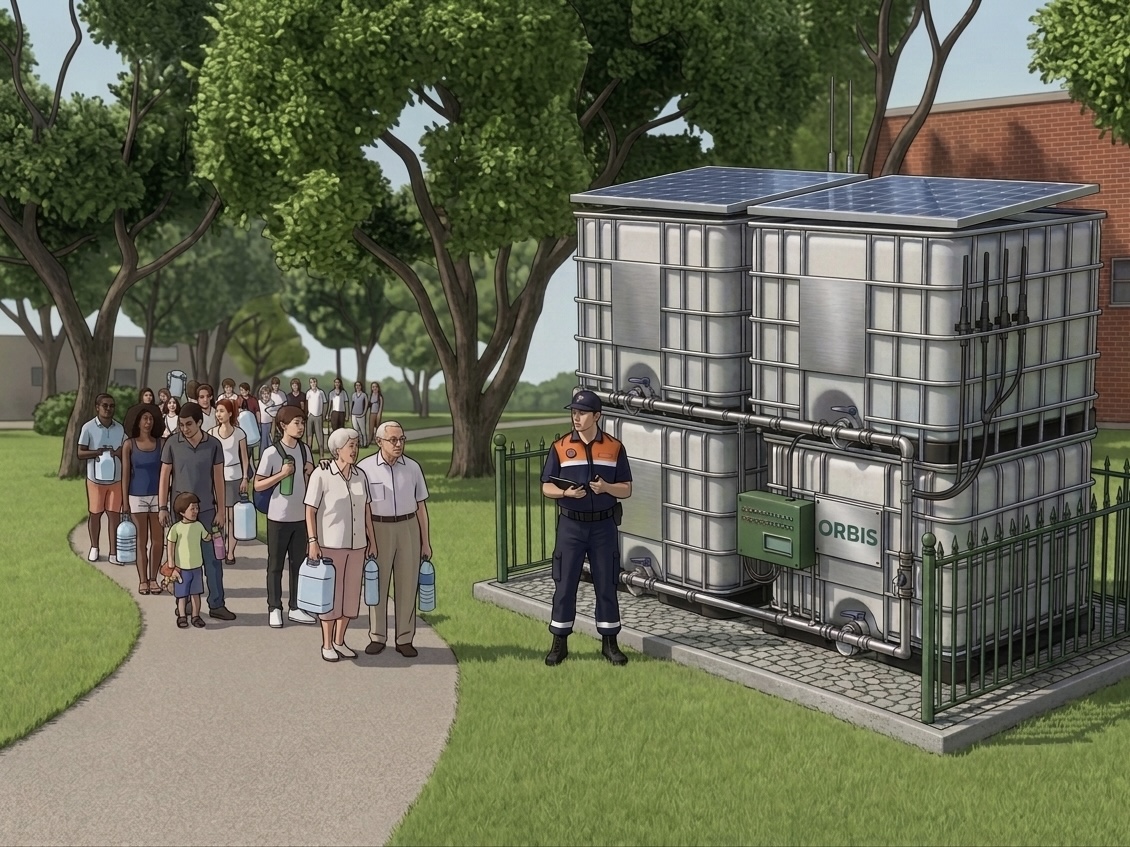
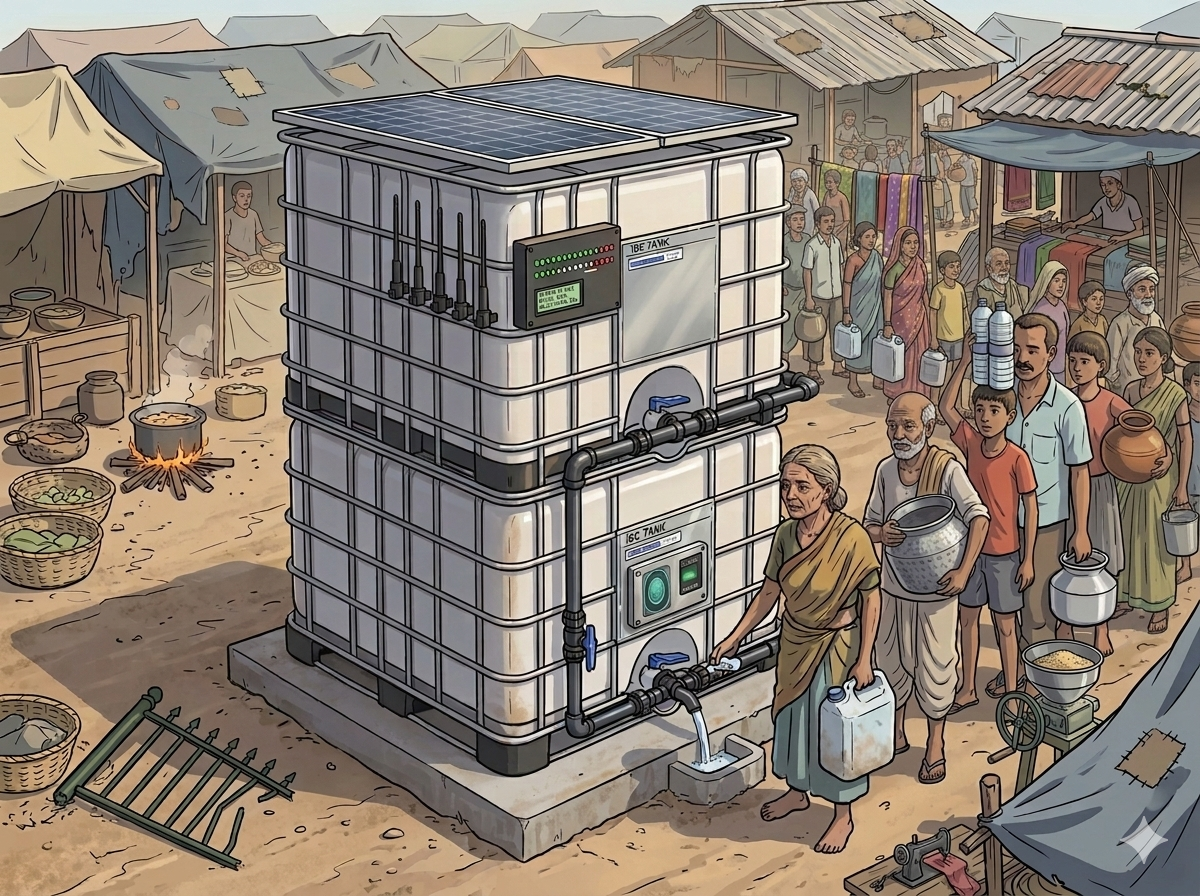
AI-generated renders
Public drinking water is highly dependent on fragile infrastructure—pipelines, treatment plants, power, and communications. When any of these fail (through conflict, natural disaster, drought, or contamination), populations can lose safe water access quickly, with limited local redundancy.
Water infrastructure is a strategic target. Damage to treatment plants, pipelines, or remotely altered chemical dosing can disrupt supply and compromise public safety.
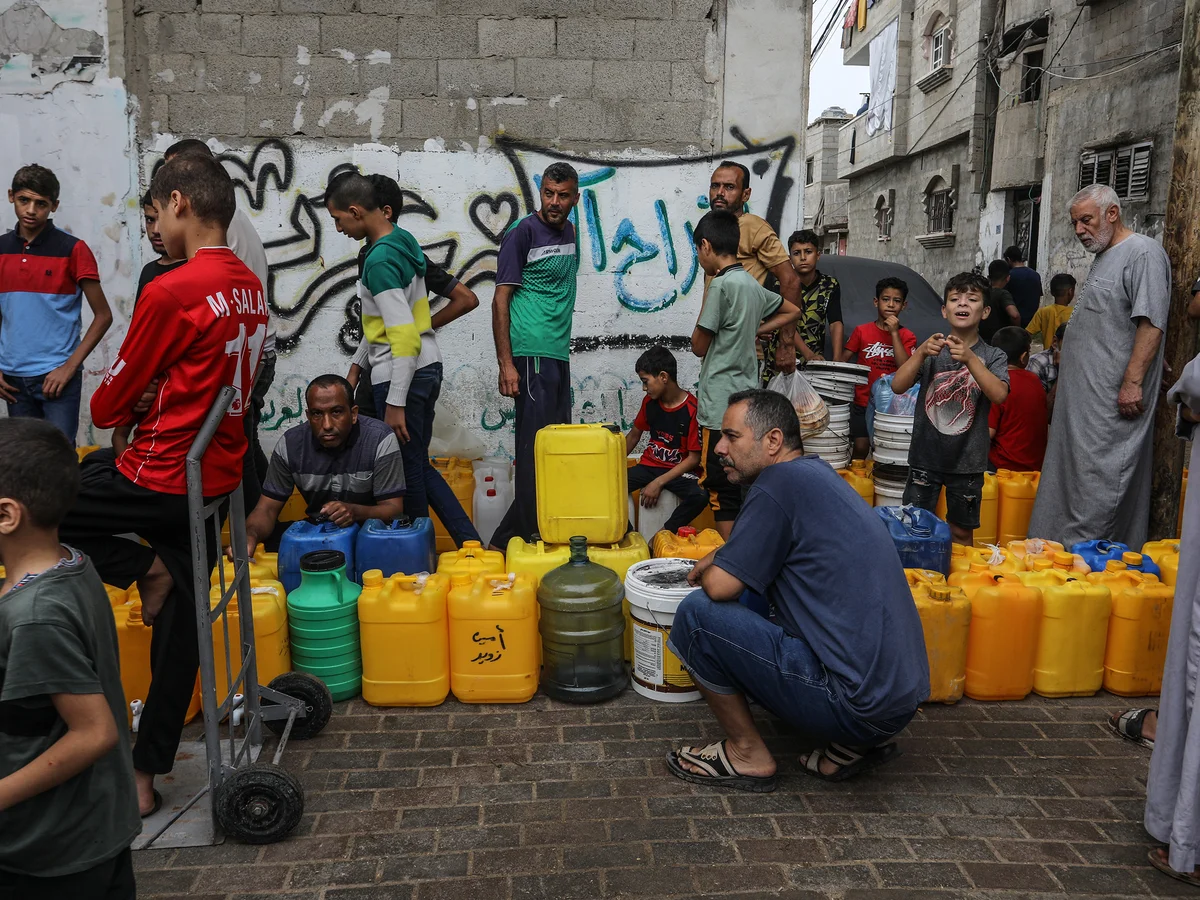
Gaza Strip, 2024
Earthquakes can collapse underground pipelines and damage key reservoirs, suddenly disrupting access to drinking water.
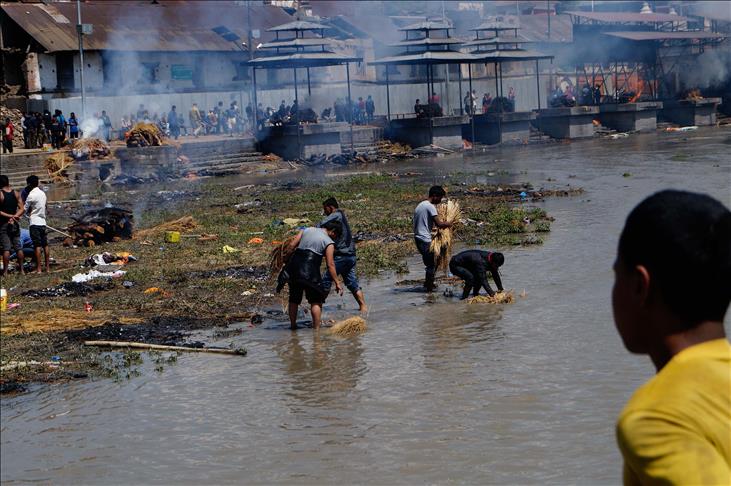
Nepal, 2015
Climate-driven droughts reduce reservoir levels and system pressure, forcing rationing and increasing the likelihood of service interruptions in dense urban areas.
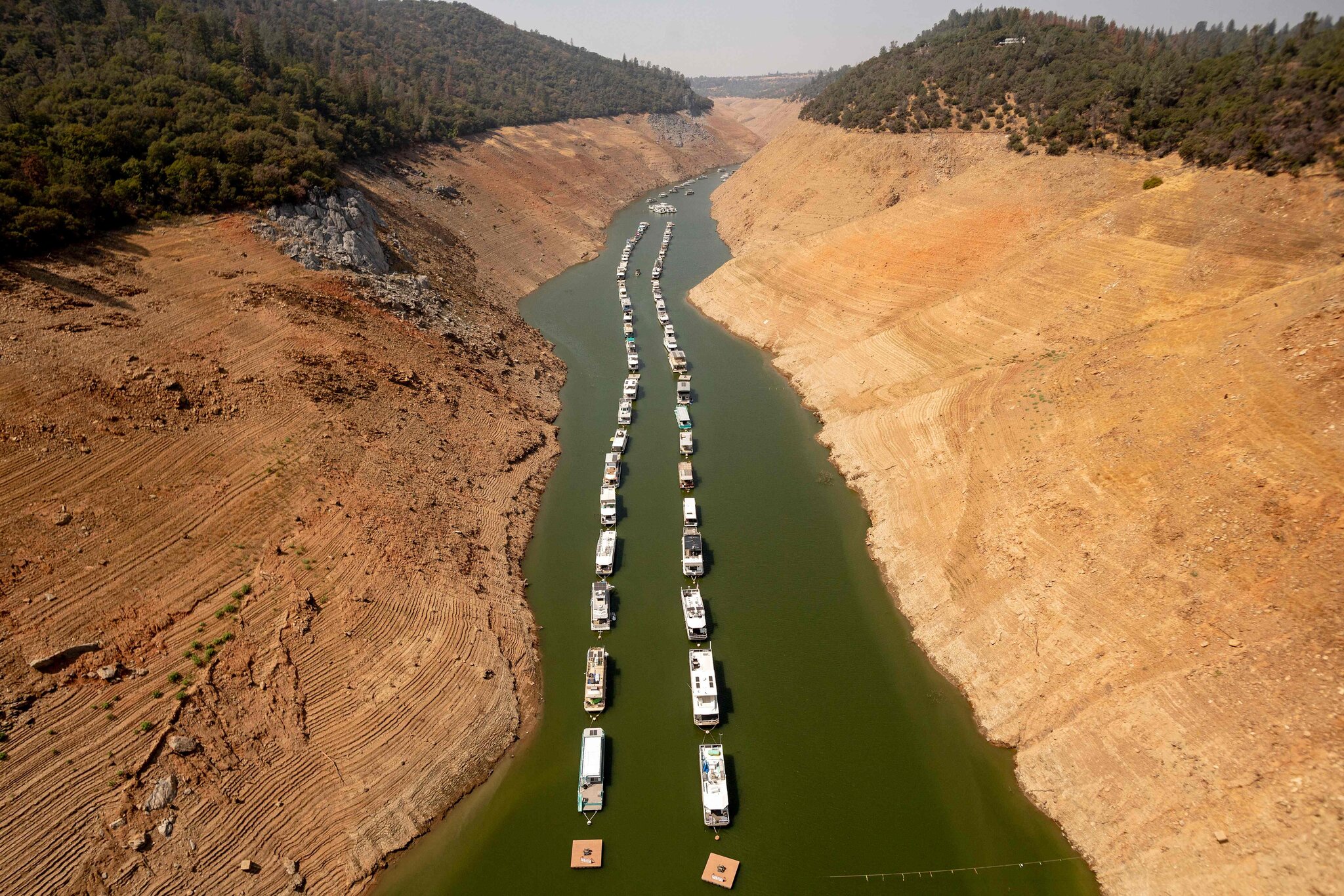
California, 2010s
Centralized reservoirs and treatment nodes create single points of failure. In parallel, upstream dependencies (e.g., cross-border river basins) can magnify geopolitical and supply risks.
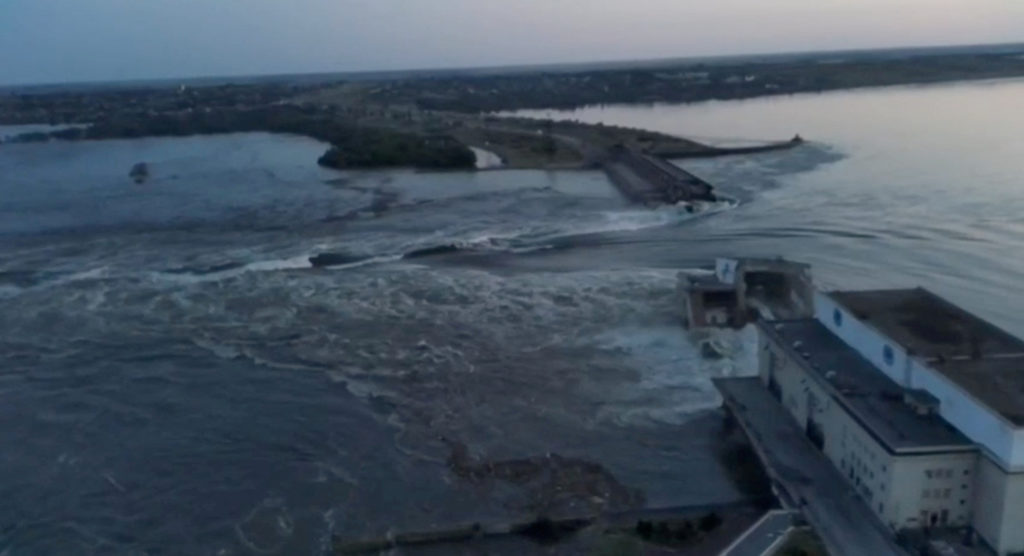
Kakhovka dam, Ukraine, 2022
Industrial spills and biological outbreaks can render tap water unsafe at scale, creating immediate public health risks and surges in emergency demand.
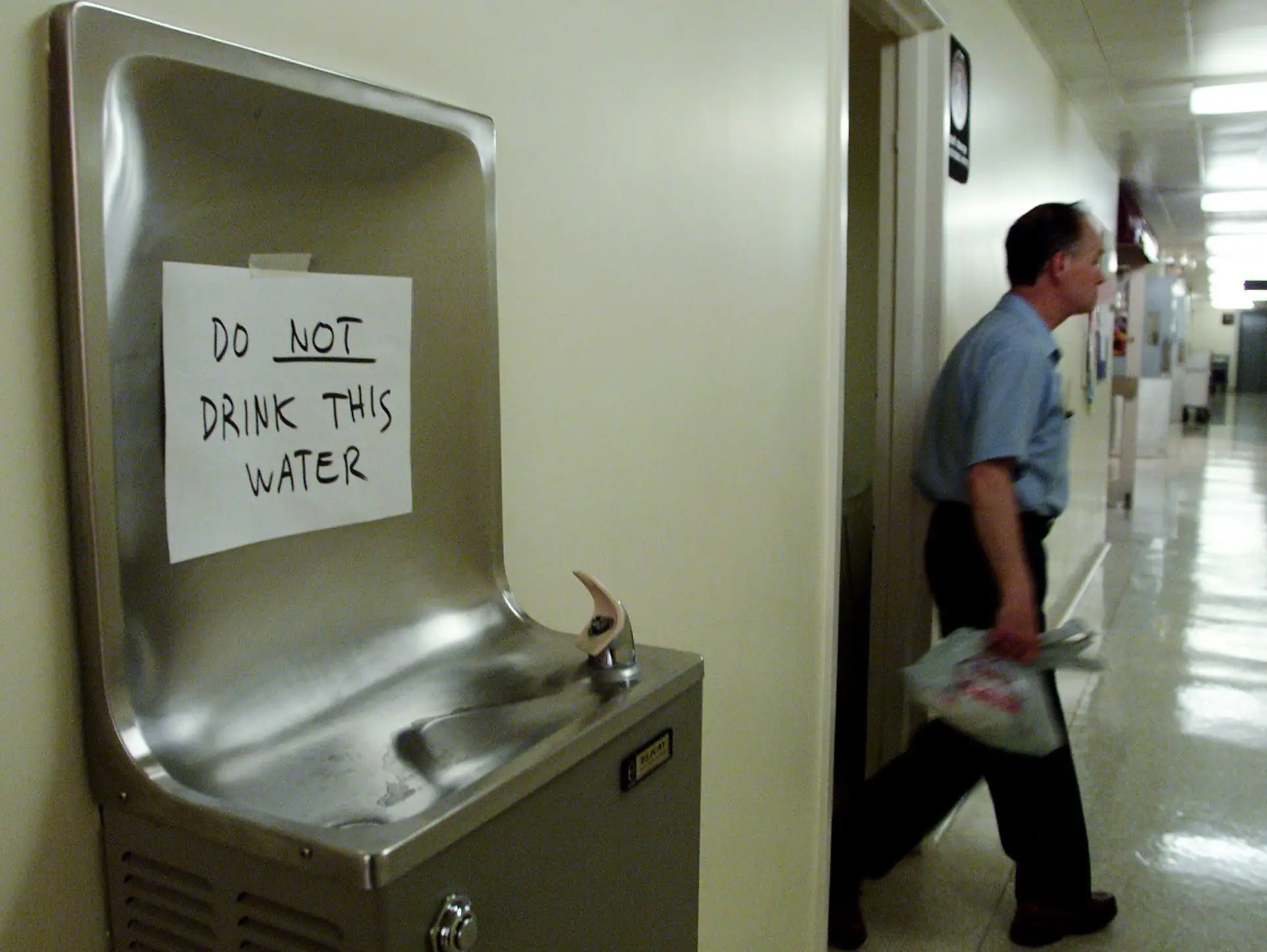
Walkerton, Canada, 2000
All tanks are connected to a remote management platform that aggregates their sensor data and allows us to perform diagnostics, updates, and check if the water's safe. This centralized system reduces the need for constant manual inspections and allows for rapid response to any issues.
When a disruption occurs the system transitions from passive storage to active distribution mode. Because it's continuously maintained, the response time is minimal. The system is self-service, with remotely adjustable water allocation policies, even if power goes out.
The system hasn't been activated yet, however, we must still ensure:
The system deploys itself in critical time:
Until access to water is restored, guarantee:
Our team combines electrical engineering and telecommunications, computer science and distributed systems, geographic analysis and resource management for a multidisciplinary solution.
Scientific Advisor: João Nuno Silva (INESC-ID) · Supervisor: Duarte Mesquita (DEEC-IST)


Margarida Sebastião
Geography and Statistics

Managing partnerships with municipalities, regulatory bodies, and institutional partnerships. Responsible for the project's outreach. Read their blog posts ↗
Keeping the project sustainable, they track budgets, cost-benefit analysis, material sourcing, and ensure the financial viability of the project. Read their blog posts ↗
Location selection (figuring out where tanks should go) and how many people each configuration serves. This department calculates useful metrics and figures that help us keep our solution relevant. Read their blog posts ↗
Our hardware designers project water level and quality sensors, dispense actuation systems, and physical interfaces of the tank, alongside communications and radio. Read their blog posts ↗
Composed of two teams, this department works on the coding that powers it all, from page you're seeing right now down to the firmware that keeps the sensors talking to one another! Read their blog posts ↗
Team leaders: Tiago Lopes Carvalho, Tomás Ribeiro
Members: Francisco Caravana
Requirements list
First prototype version
Hover over each milestone to see what's in store.